ACID PROOF TILES
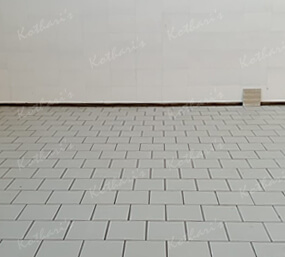
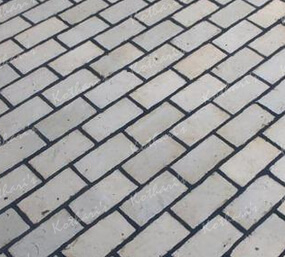
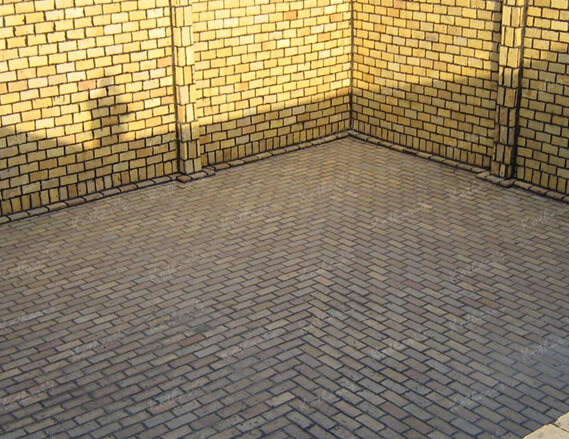
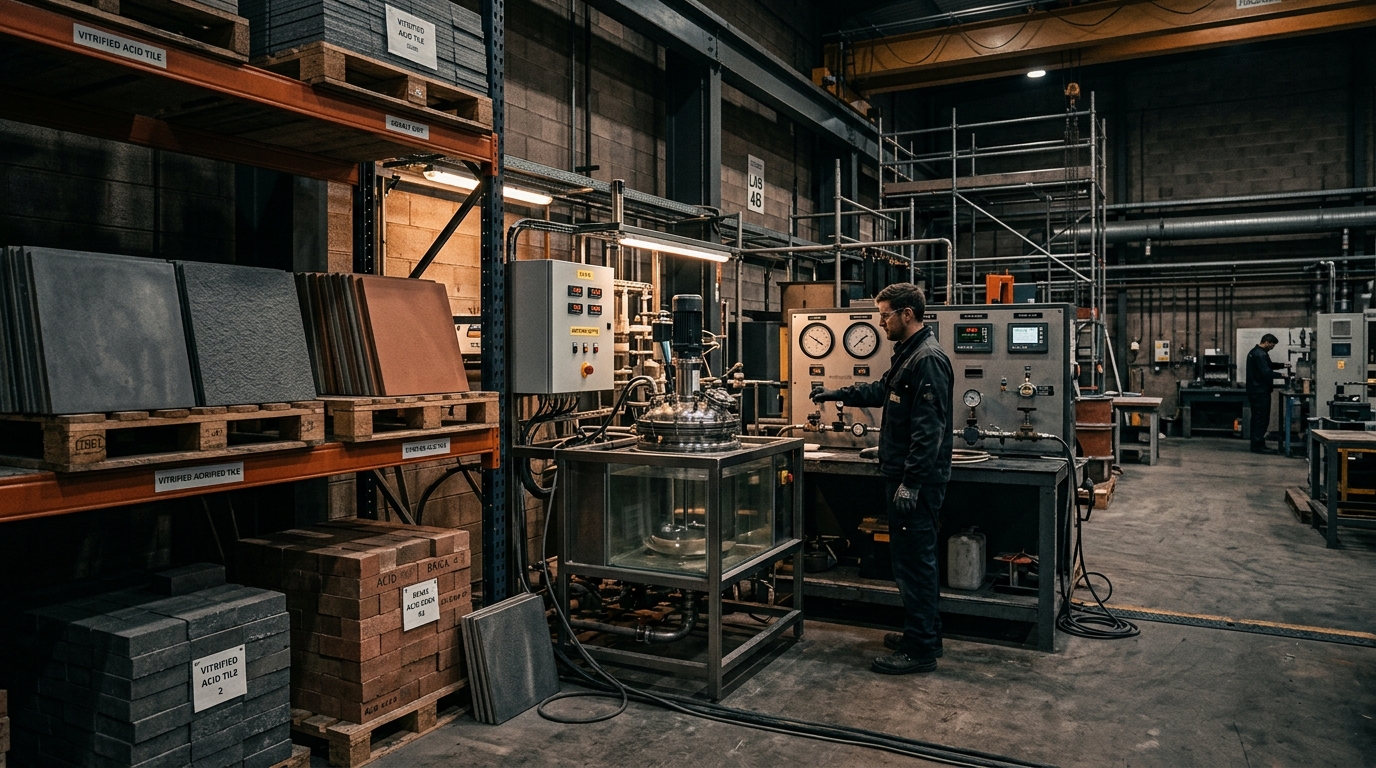
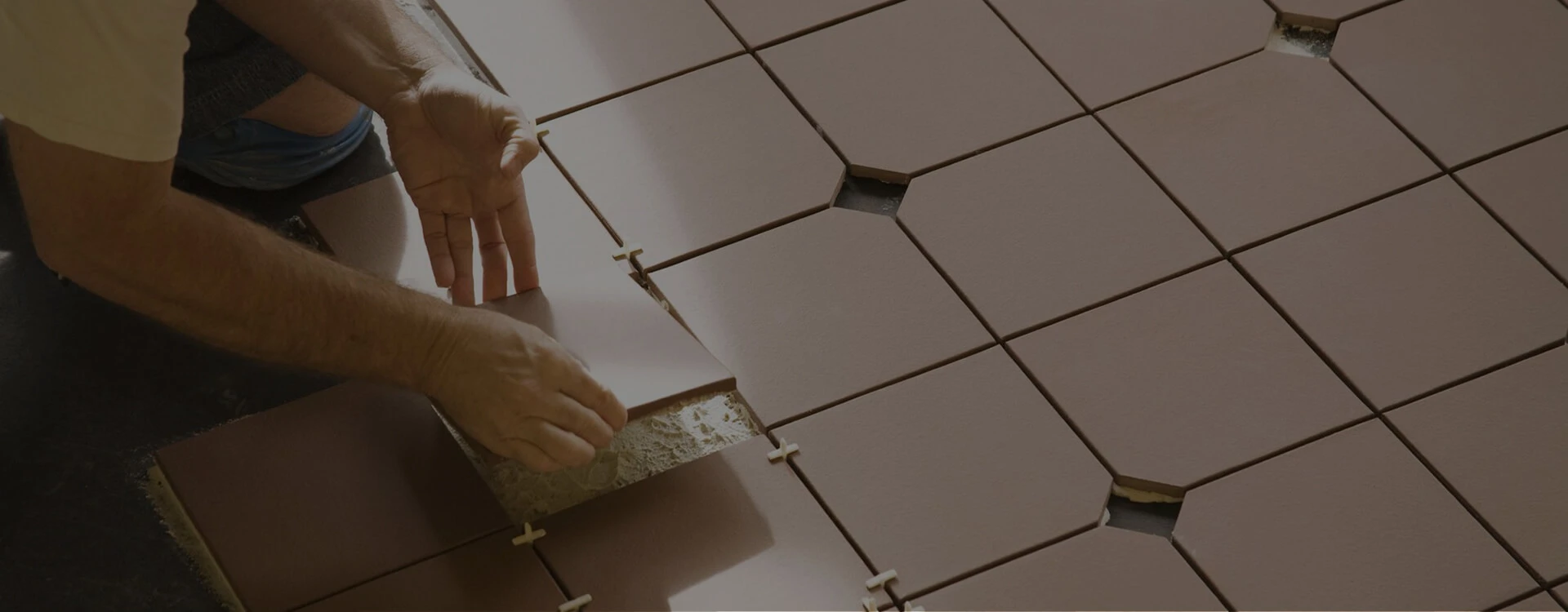
Dense, vitrified chemical-resistant tiles manufactured from select raw clays and fired at high temperatures to achieve exceptionally low water absorption and high mechanical strength against aggressive acids, alkalis, and solvents.
Kothari Corrosion Controllers has been delivering acid-proof and corrosion-resistant material solutions since 1969. Engineering heavy-duty vitrified ceramic tiles, refractory bricks, and polymer resin mortars conforming to IS 4860 and IS 4832 specifications for extreme chemical environments.
Kothari Corrosion Controllers was founded with a singular technical focus: formulating and manufacturing heavy-duty ceramic materials and specialized resin mortars capable of defying the harshest acid, alkali, and solvent attack in heavy industrial plants.
Engineered vitrified ceramic bodies and polymer-matrix resin mortars formulated to withstand continuous immersion in concentrated acids, caustics, and extreme thermal cycling up to 900°C.
Chemical-resistant materials manufactured to Indian and International Standards (IS 4860 Class I • IS 4832 Parts I–III) for extreme industrial mechanical, chemical, and thermal duty.
Dense, vitrified chemical-resistant tiles manufactured from select raw clays and fired at high temperatures to achieve exceptionally low water absorption and high mechanical strength against aggressive acids, alkalis, and solvents.
Heavy-duty acid and alkali resistant bricks engineered for extreme mechanical load bearing, severe thermal shock, and deep chemical immersion in process vessels, reaction tanks, absorption towers, and chimney flues.
Comprehensive chemical-resistant bedding and joint filling mortars. Available in synthetic resin bases (Furane, Phenolic, CNSL Cashew, Epoxy, Polyester), hot-melt Sulphur, and Potassium Silicate for high-temperature service up to 900°C.
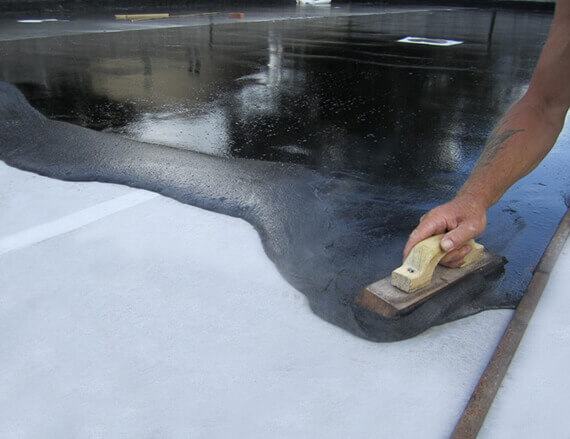
Heavy-duty, hot-melt type 10mm to 50mm thick Bitumen Mastic Flooring. Provides a seamless, jointless, acid-resistant, and impact-tolerant protective layer ideal for chemical loading yards and effluent handling.
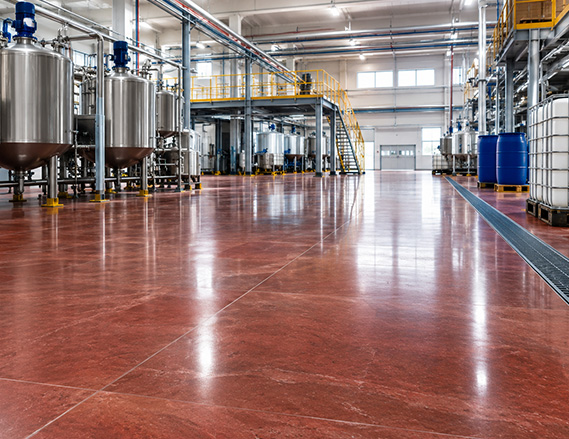
Precision 3mm to 10mm thick chemical-resistant epoxy screeding work. Creates high-gloss, seamless, monolithic, and hygienic flooring with high compressive strength, chemical resistance, and ease of plant decontamination.
Heavy-duty, chemical resisting Red Mandana Stone floorings engineered for large chemical manufacturing complexes, textile dye houses, and milk food facilities requiring extreme mechanical resilience against abrasion and chemical spillages.
We undertake complete turnkey contracts with our specialized, in-house skilled applicators across chemical complexes and process plants throughout India and internationally.
Civil substrate inspection, mechanical scarification, moisture testing, acid-etching or grit-blasting, and application of chemical-bonding primers.
Exact formulation matching: pairing tile/brick thickness and resin mortar (Furane, Phenolic, CNSL, K-Silicate, Epoxy) to plant chemical and thermal profiles.
Full-bed buttering, uniform 2mm–6mm joint tolerances, staggered brick bonding, kerb detailing, and cove formation by trained turnkey technicians.
Full polymerization and curing cycles, thorough acid washing, joint compaction, and spark testing to ensure an impermeable monolithic seal.
Decades of continuous protection against aggressive acid attacks, caustic washings, heavy vehicular traffic, and thermal cycling shock.
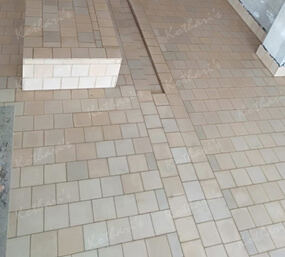
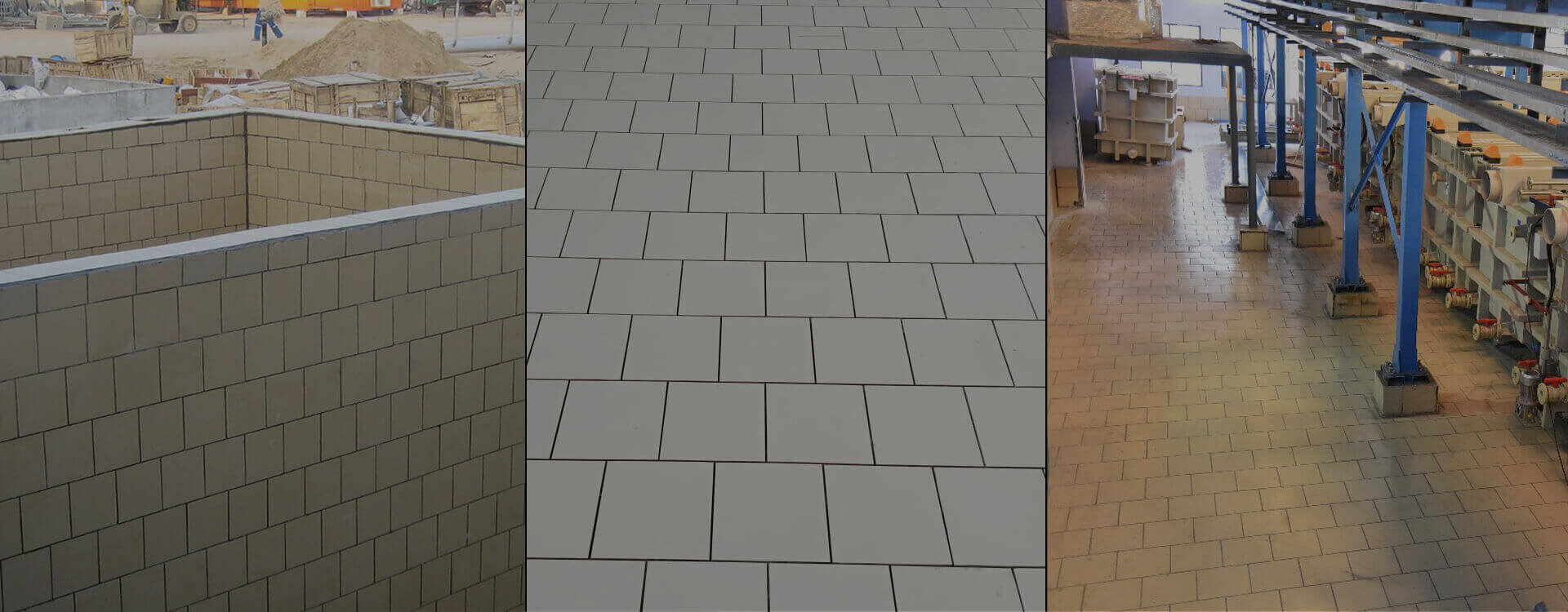
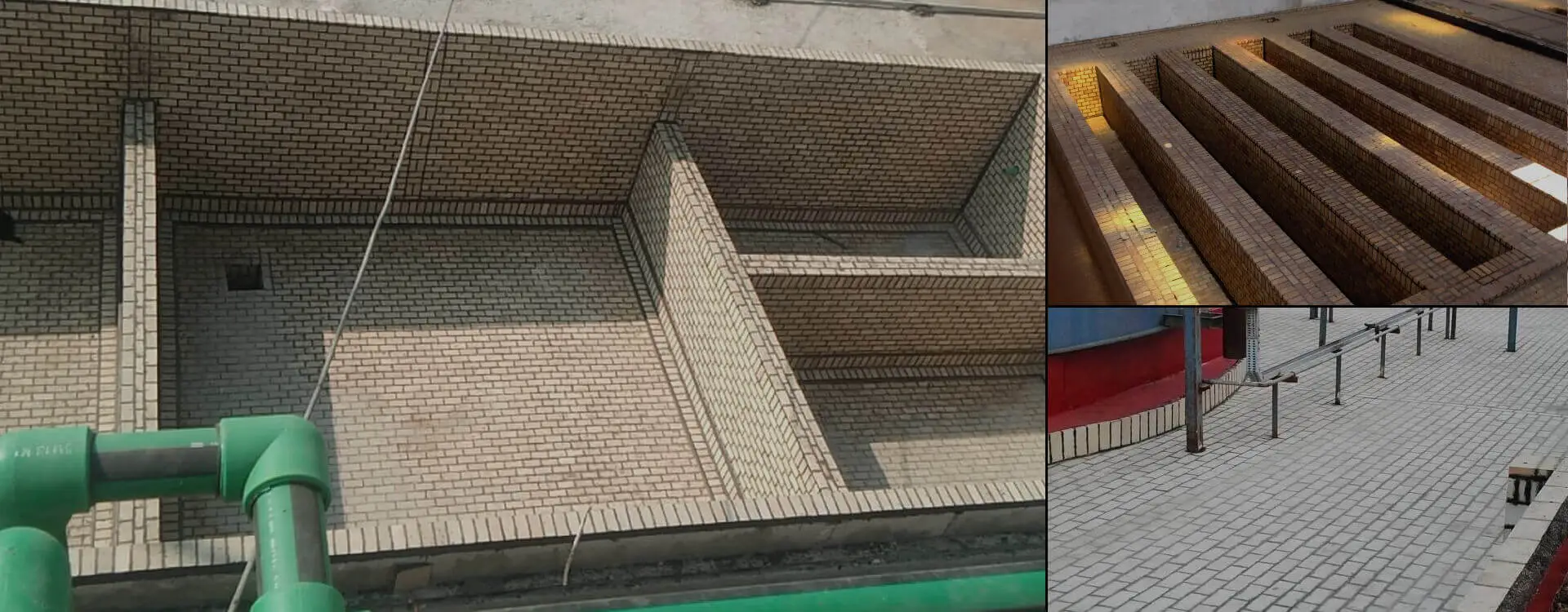
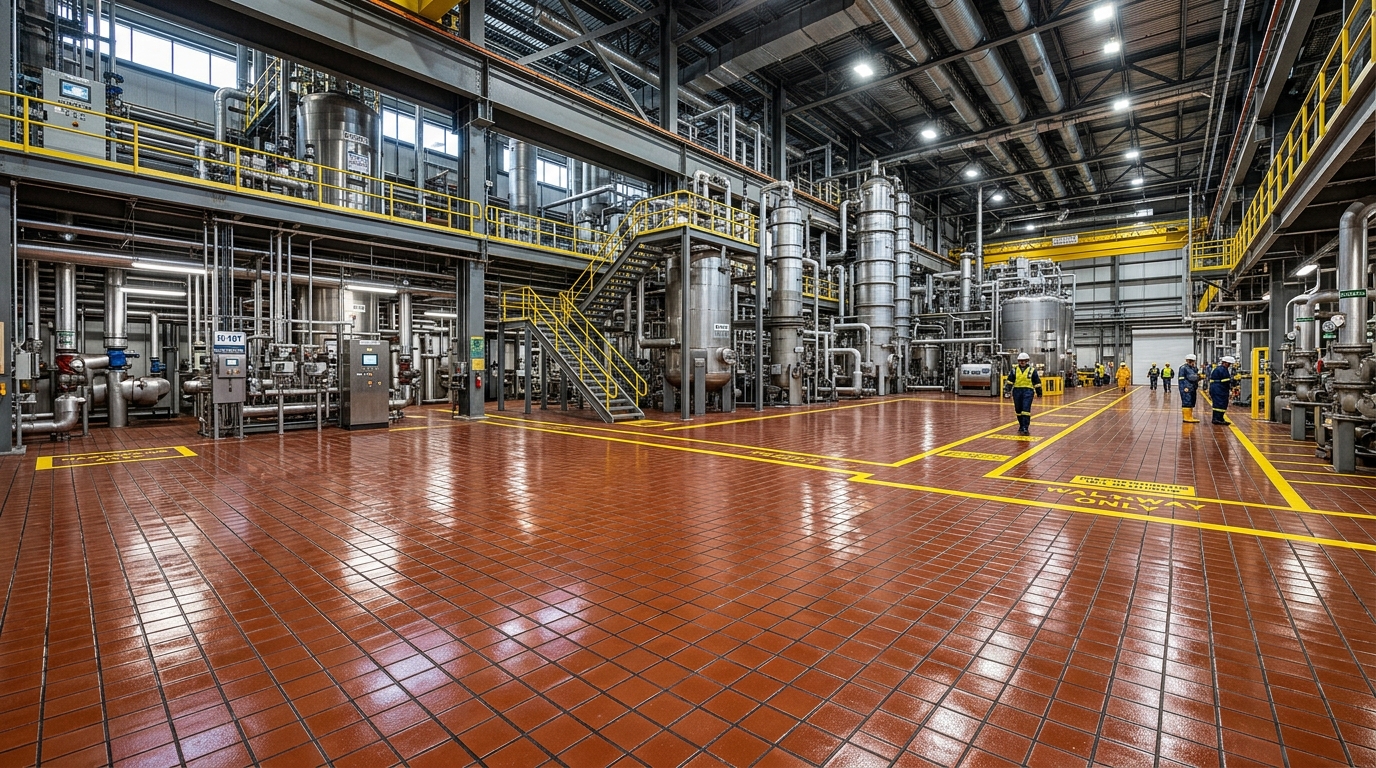
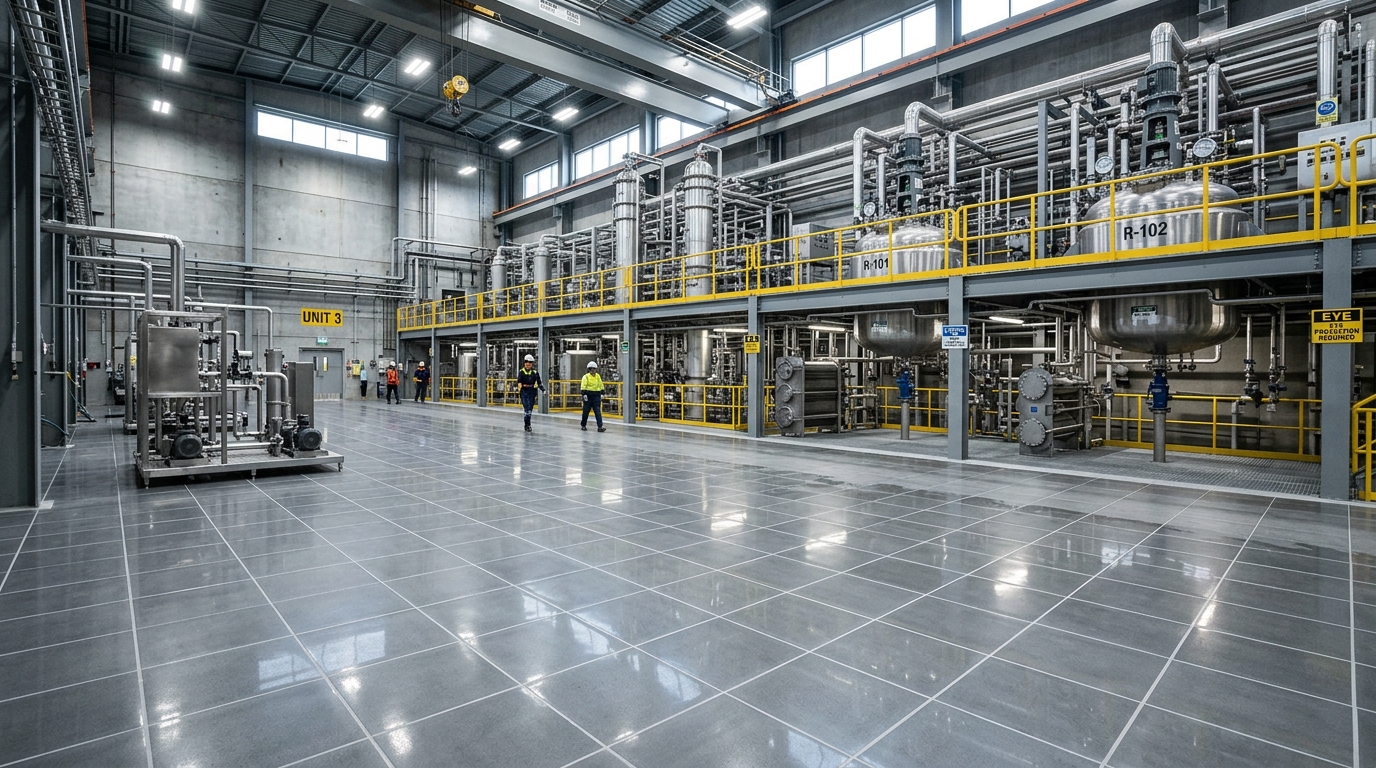
Precision laying of 10mm, 12mm, 15mm, 20mm, 25mm, and 30mm vitrified tiles bedded and jointed in chemical-resistant resin mortars for process bays, battery rooms, and drainage channels.
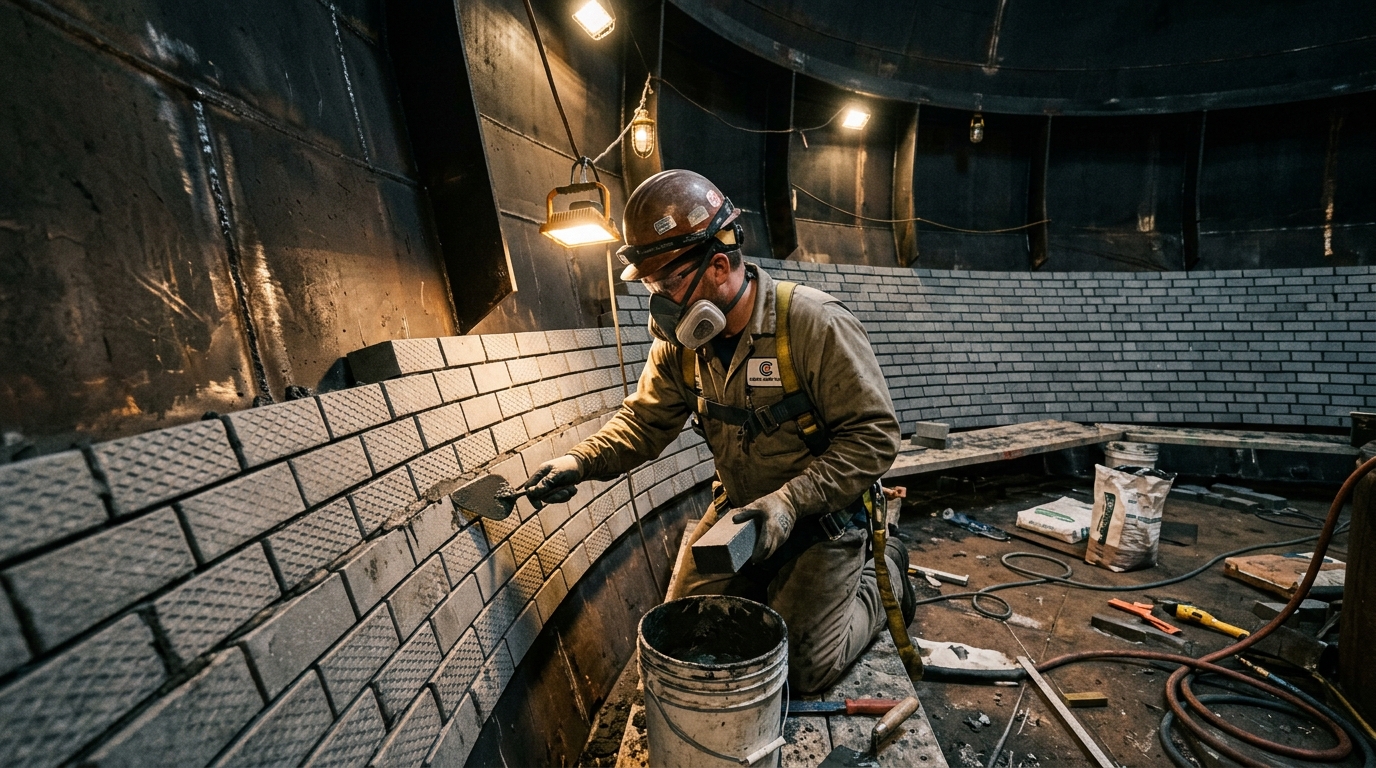
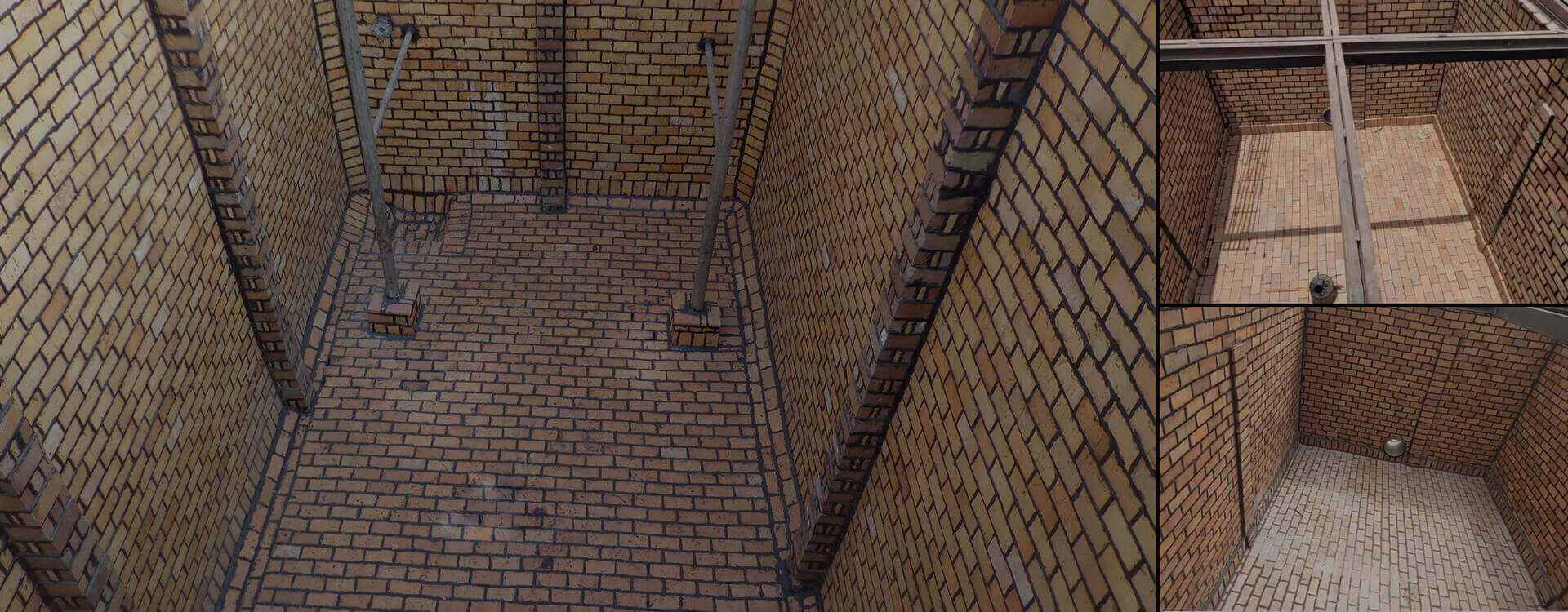
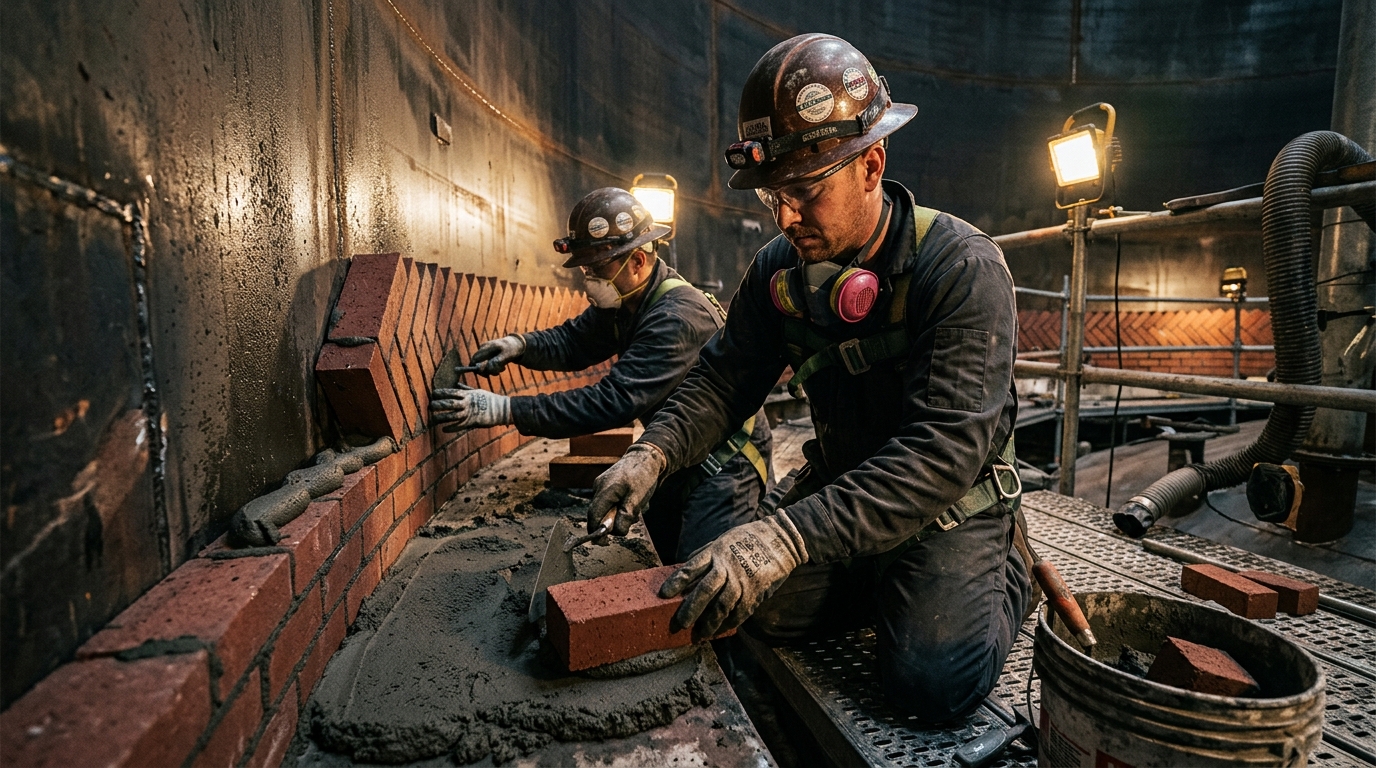
Heavy refractory and chemical lining in 38mm and 75mm brick thicknesses inside reaction vessels, absorption towers, neutralizing pits, dyke walls, and steel pickling tanks.
Seamless, jointless hot-melt 10mm to 50mm thick Bitumen Mastic flooring engineered for heavy vehicular traffic, raw chemical handling yards, and aggressive effluent containment.
High-compressive, hygienic 3mm to 10mm thick epoxy screed floors designed for pharmaceutical formulation units, cleanrooms, research laboratories, and milk food facilities.
Heavy-duty natural siliceous Red Mandana stone bedded and pointed in chemical-resisting resin mortars for high mechanical abrasion resistance in textile houses and chemical factories.
Specialized chemical vessel lining, Coaltar Epoxy coatings, hygienic epoxy coatings, and chemical-resistant stoneware pipe jointing for zero-leakage industrial processing.
Real photography of on-site turnkey executions across chemical complexes, storage tank yards, battery rooms, and effluent neutralizing facilities.
Our acid and alkali resisting products protect mission-critical infrastructure across India’s leading industrial manufacturing and chemical processing facilities.
Reaction vessels, acid collection pits, chemical charging bays, and process floors handling concentrated inorganic acids.
REACTORS • PITS • FLOORS
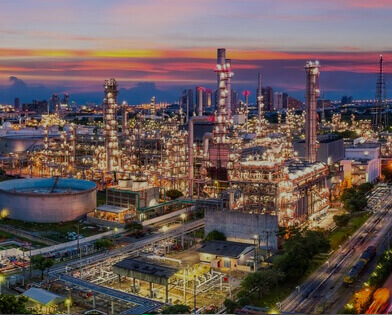
Hydrocarbon processing floors, crude distillation dykes, sulfur recovery units, and sulfuric acid alkylation plants.
DYKE WALLS • REFINING
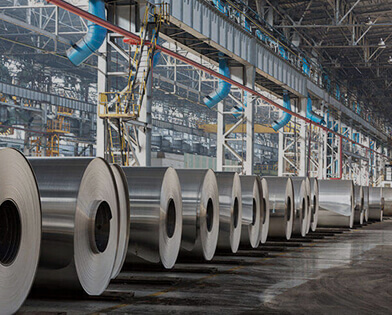
Continuous hydrochloric and sulfuric acid pickling tanks, rinse tanks, flux containment, and acid fume scrubber floors.
PICKLING TANKS • SCRUBBERS
Fermentation tanks, food acid containment, CIP clean-in-place washing floors, and bottling line drainage.
CIP FLOORS • BOTTLING
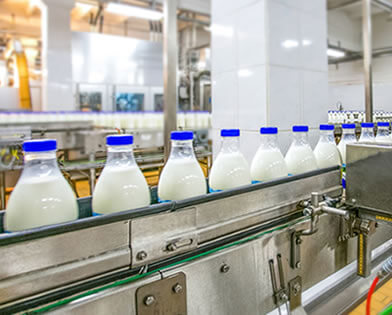
Lactic acid exposure areas, milk receiving docks, butter processing rooms, and caustic cleaning drainage channels.
RECEIVING • PROCESSING
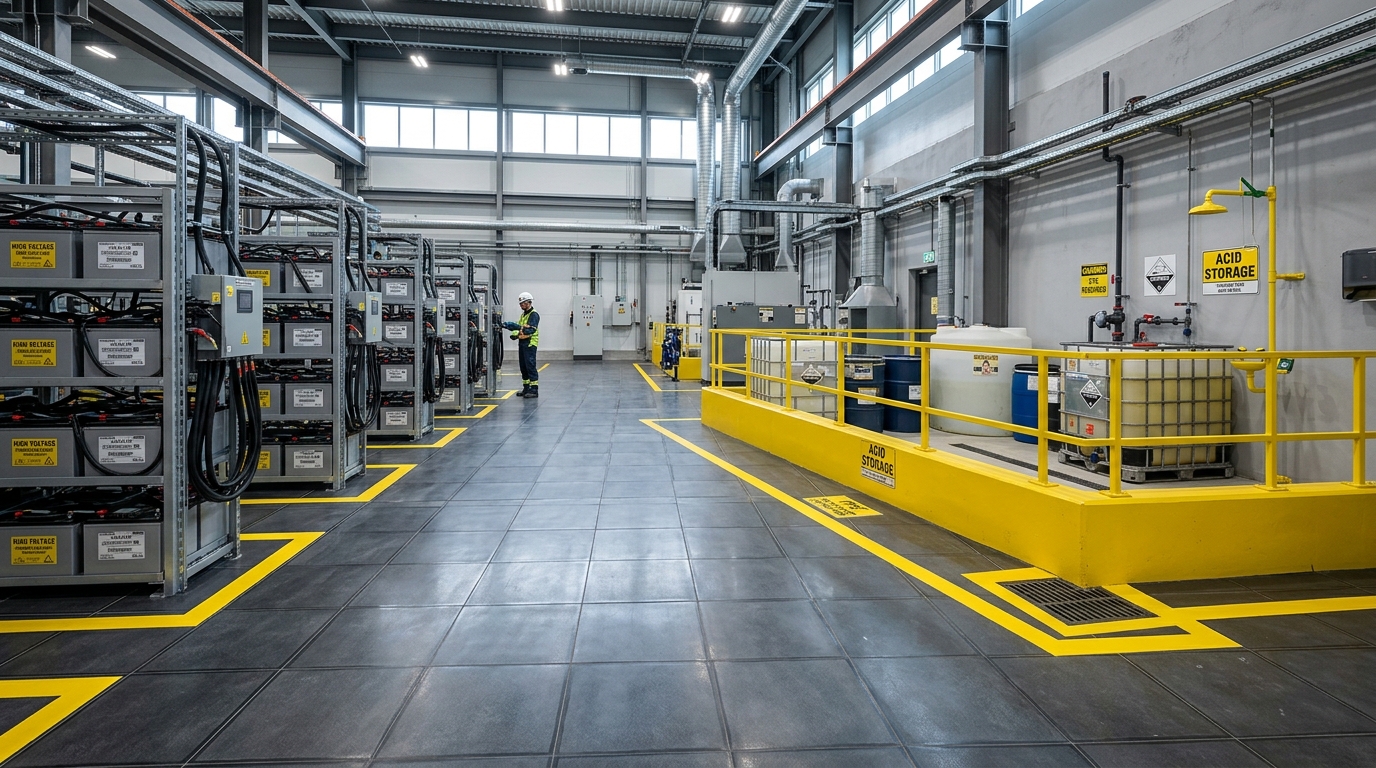
Battery formation halls, lead acid charging rooms, bulk storage tanks, and dyke containment bunds.
BATTERY ROOMS • DYKE WALLS
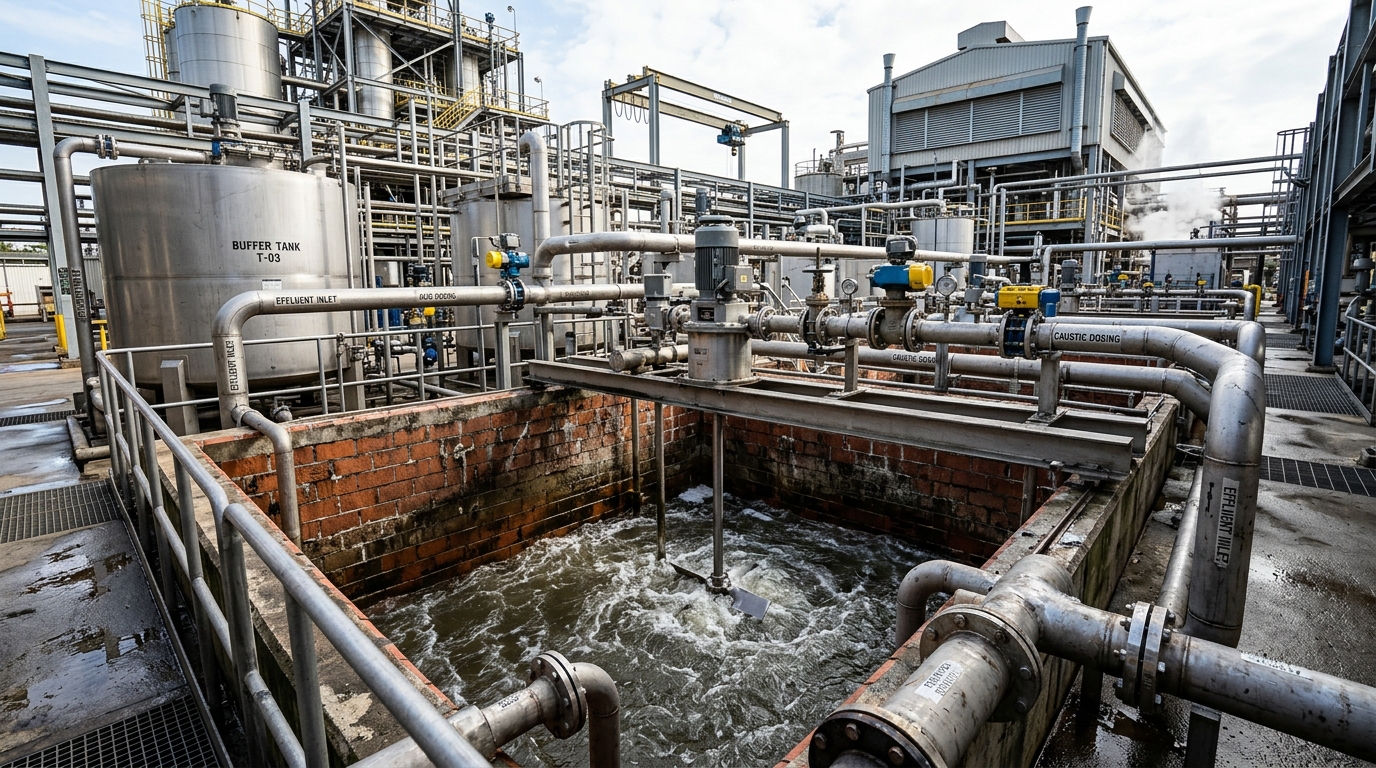
Neutralizing pits, equalization tanks, aeration basins, sludge sumps, and Zero Liquid Discharge (ZLD) chambers.
ETP • ZLD • SLUDGE SUMPS
Demineralization (D.M.) water plants, neutralizing pits, FGD flue gas desulfurization areas, and RCC chimney flues.
D.M. PLANTS • CHIMNEYS
API synthesis floors, solvent handling halls, formulation cleanrooms, and high-purity chemical testing laboratories.
CLEAN ROOMS • API UNITS
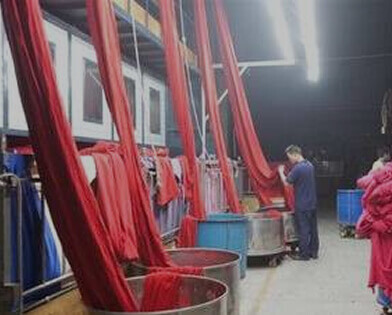
Continuous bleaching channels, acid dyeing vessels, mercerizing machine foundations, and caustic wash gutters.
DYE HOUSES • GUTTERS
Chromium, nickel, copper, and zinc plating baths, acid dip tanks, rinse bays, and acidic floor drag-out areas.
PLATING TANKS • DRAG-OUT
Sulfuric acid and chromic acid anodising tanks, sealing pits, caustic etching basins, and rinse water troughs.
ETCHING • ANODISING
Crude desalination pits, acid sludge disposal sumps, sulfuric acid regeneration units, and sulfur storage silos.
ACID SLUDGE • DESALTING
Automotive component plants, aircraft parts, zinc smelters, starch processing, and electronic fabrication plants.
SMELTERS • AUTO • AEROEssential factual reasons that compel our valued clients across India and internationally to trust our materials and turnkey contracting capabilities.
Disciplined family leadership with continuous technical oversight since 1969, ensuring rigorous adherence to standard operating procedures and international trade ethics.
Modern manufacturing facility at Odhav, Ahmedabad equipped with advanced firing kilns, precision presses, and specialized resin-blending units for batch consistency.
Deep material science expertise across corrosion resistance chemistry, thermal expansion matching, joint dynamics, and Indian Standard (IS 4860 / IS 4832) parameters.
Custom thickness fabrications (10mm to 76mm), tailored brick geometries for circular reaction vessels, and specialty resin formulations matched to specific chemical blends.
High-volume monthly manufacturing output capable of sustaining simultaneous multi-ton industrial projects, chemical plant expansions, and regular container exports.
Strategic inventory reserves of standard tiles, bricks, and mortar batches backed by streamlined transport logistics to meet strict planned shutdown schedules.
Factual technical guidance regarding acid-proof materials, application thicknesses, temperature limits, and turnkey project execution.
Yes. Acid proof bricks and acid resistant bricks are two names for the same product, manufactured to IS 4860 Class I. Buyers and consultants use both terms, and specifications sometimes say acid resisting brick. All three describe a dense, low absorption brick made to resist acids, alkalis and solvents in industrial service.
Selected clays with minimal iron content, pressed and fired at high temperature so the body fuses into a dense mass. The result is low water absorption and high mechanical strength, which is what stops acid from penetrating the brick. Iron content matters because iron in the body reacts with acid and opens up a path into the brick.
Fire bricks or refractory bricks are made to survive heat. Acid proof bricks are made to survive chemical attack. A refractory brick in an acid tank will be eaten away, and an acid proof brick in a furnace will not hold up to furnace temperatures. Where both heat and acid are present, the system is built from acid proof bricks laid in potassium silicate mortar, which carries the combination up to 900 C.
The 38 mm brick suits general acid proof lining and flooring duty. The 75 mm brick is used where mechanical load, impact, thermal shock or chemical concentration is higher, for example reaction vessels, pickling tanks, absorption towers and heavy process floors. Send the chemical, its concentration, the operating temperature and the floor or vessel loading and we will confirm the thickness. Custom thicknesses from 40 mm upward are made to order.
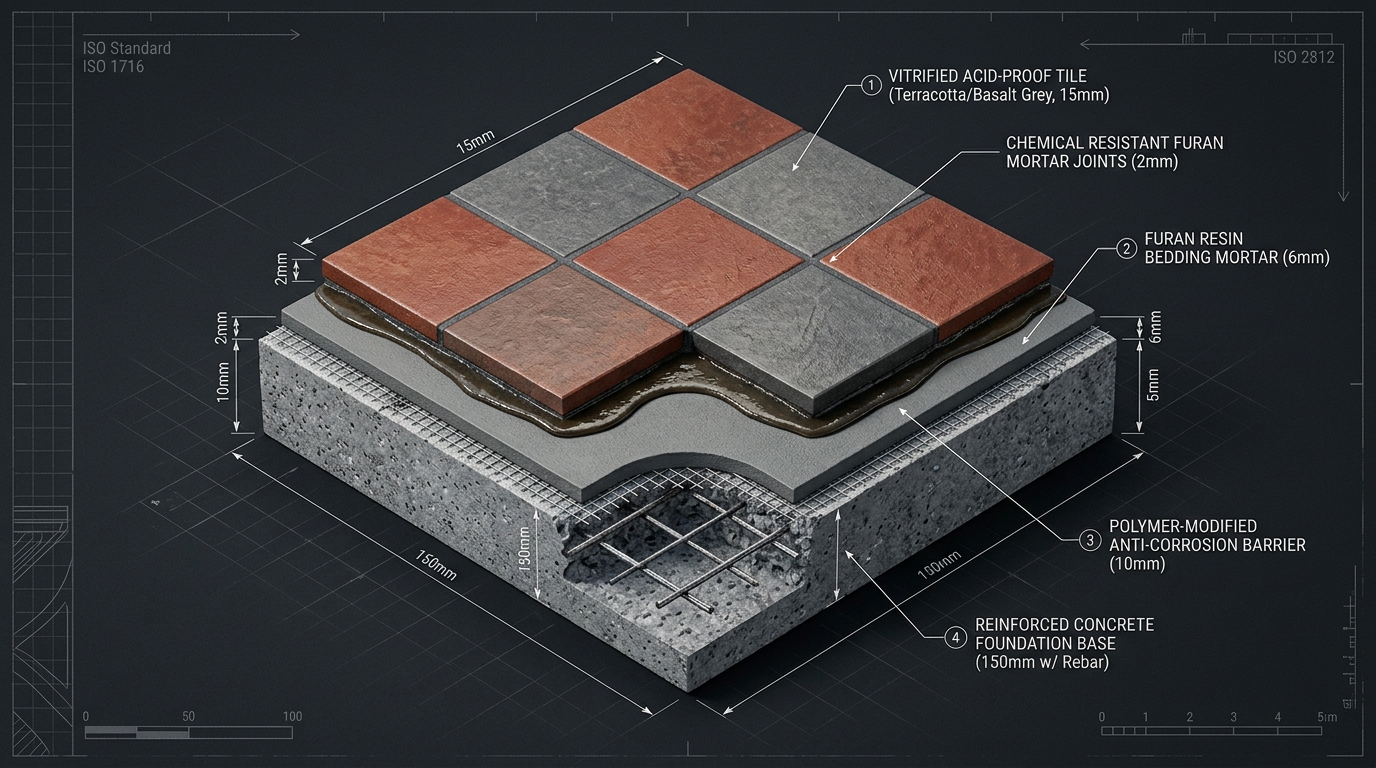
In layers. The concrete or steel surface is prepared and dried, a chemical resistant membrane is applied as the second line of defence, bricks are set on a bed of acid resisting mortar, and the joints are filled with the same resin mortar system. The lining is then cured before the plant goes back into service. Every layer matters, and a lining fails at its joints long before the brick itself gives way.
Because no joint is perfect over a plant's lifetime. The membrane sits between the substrate and the brickwork and catches anything that works its way through the mortar joints, protecting the concrete or steel underneath. On tanks and pits that hold liquid continuously it is the difference between a lining you repair and a structure you rebuild.
The mortar sets the limits of the finished lining, not the brick. Furane and phenolic cover general acid and alkali duty up to 170 C, cashew CNSL up to 190 C, and potassium silicate handles high temperature service up to 900 C. For hydrofluoric acid, fluoride salts and strong hot alkalis, carbon filled mortar is used. We manufacture the full bedding and joint filling range, so the brick and the mortar come from one source.
Yes. Where hydrofluoric acid, fluoride salts or strong hot alkalis are involved, carbon bricks laid in carbon filled mortar are specified instead of standard acid proof bricks. Tell us the chemical and its concentration and we will confirm whether carbon brick is required or whether a resin mortar system is sufficient.
Yes. Kothari Corrosion Controllers has manufactured acid proof bricks at Odhav, Ahmedabad, Gujarat since 1969, under the registered trade mark Acid Proof. We supply plants across India and export to African countries, the Middle East, South America and across the Asian subcontinent, and we carry out brick lining work with our own trained applicators.
It depends on the brick thickness, the mortar system, whether a membrane is required, the total area and whether you need supply only or turnkey application at site. Send your drawing, the chemicals handled, the concentration and the operating temperature and we will quote the complete lining. Call +91 9825006626 or email info@acidproof.com.
Contact our technical engineering sales division for detailed project drawings, material specifications, supply pricing, or turnkey site contracting proposals.
Provide your operating parameters (chemicals handled, concentrations, operating temperatures, and estimated floor/vessel area).